
Human Resources
How Can Insurance Agencies Recruit Better in 2026?
Learn how insurance agencies can recruit better in 2026 by hiring faster, staying human, and improving results without sacrificing quality.


As 2024 enters 2025, SMBs to enterprises will have to deal with a turning point in human resources. They will have to deal with a world where job needs are changing, technology is improving, and the workforce’s makeup is changing. The report lists the most critical issues affecting HR practices. These include how well leaders do their jobs, the company’s culture, how well technology can be integrated, how well change is managed, career mobility, skill development, and flexible work models. To get and keep good employees, these themes stress how important it is to have outstanding leadership, value variety, use technology, and rethink old ways of payroll.
In today’s job market, which is increasingly competitive, you need a strong company brand to find and keep qualified workers. To lower the number of students who drop out, companies need to speed up the application and interview processes and make the experience of candidates a good one. AI can make things more efficient and eliminate bias, but it shouldn’t be used instead of human reasoning.
By using these trends and technologies, HR workers can better deal with how hard it is to find good employees and get them involved in their work. This could lead to a more welcoming and active workplace. The future of hiring will depend on a mix of cutting-edge technology and a plan that focuses on people to make sure that companies can do well in this fast-paced market.
This year’s 2024 Trends Report from multiple HR and enterprise-leading companies highlights the impact of technology on the hiring process. Organizations are recognizing the importance of effective leadership, diversity, and a transparent culture as the employment landscape evolves. The study indicates that the recruiting sector will see a value of $1.1 billion by 2030, yet currently, only a small fraction of professionals in talent acquisition are utilizing AI tools. Challenges in merging and insufficient understanding of AI’s advantages hinder broader adoption. Here are the key focus areas for recruitment in 2024:
Technology simplifies tedious tasks such as crafting job descriptions and identifying candidates, allowing HR professionals to concentrate on more essential responsibilities and the hiring process.
Tools simplify applications and interactions, maintain applicant interest, and aid in the hiring process. When contact is automated and feedback is provided right away, the experience for applicants improves significantly.
By prioritizing skills and abilities over demographics, hiring practices can lead to a more diverse workforce.
Essential insights empower HR professionals to make educated decisions regarding hiring patterns, candidate effectiveness, and employee retention, thereby improving recruitment approaches.
Utilizing technology helps identify a wider range of talent and promotes equitable hiring practices, resulting in improved business outcomes and innovative ideas. Predictive analytics examines data on past hires to estimate how candidates will perform and how well they will integrate with the team. This assists organizations in making improved hiring decisions that support their objectives.
The recruitment landscape continues to evolve rapidly as we step into 2024. Down below are 25 unique statistics gathered from diverse sources, providing a comprehensive understanding of the key trends and dynamics shaping the recruitment industry. By analyzing these statistics, you can gain insights into the recruitment strategies, challenges, and opportunities that may influence your organization’s human resources strategies.
Key Recruitment Statistics
The boundaries between the candidate experience and the employee experience are becoming increasingly blurred. Companies that prioritize this connection are finding it easier to attract top talent, retain valuable employees, and build a stronger workplace culture. Here’s how:
A seamless and engaging recruitment process does more than fill a role—it enhances the company’s reputation as an employer of choice. Candidates who feel valued and respected during the hiring process are more likely to join the team, stay longer, and even recommend the company to others.
Clear, timely, and transparent communication can make or break the hiring process. Studies show that poor communication is a leading reason candidates disengage or turn down offers. Whether it’s updating candidates on their status or setting clear expectations, effective communication builds trust and keeps candidates engaged.
First impressions count. A structured and well-thought-out onboarding process not only sets new hires up for success but also significantly boosts employee retention. By providing the tools and knowledge needed to thrive, companies can create a smooth transition from candidate to team member.
Retention doesn’t end after the hire. Providing employees with opportunities for growth and advancement within the company is critical. A clear pathway to career development not only retains top talent but also reduces the costs of hiring externally.
AI and other innovative technologies are reshaping recruitment and employee engagement. From streamlining communication to reducing bias in hiring decisions, technology enhances the experience for both candidates and employees, making the process more efficient and equitable.
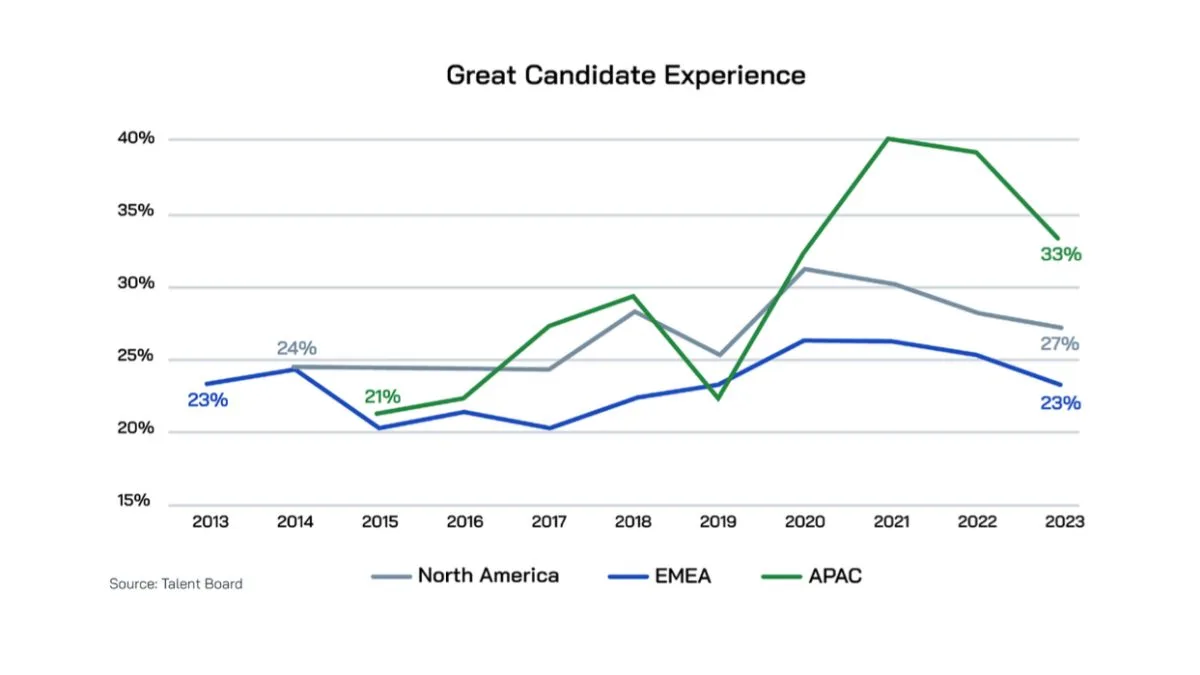
The impact of technology on hiring in North America is significant. Leadership and organizational culture, integration of technology, job mobility, and skill development are key factors that will influence the future of hiring. Diversity, equity, and inclusion (DEI) matter to companies as they foster team inspiration and contribute to a positive workplace environment. Utilizing technology can enhance the hiring process, improve the experience for applicants, and eliminate bias in recruitment. To respond to a varied workforce and evolving employee expectations, there is a significant focus on career mobility and skill development.
Many companies hesitate to fully integrate these technologies due to concerns about job loss and over-reliance on technology. Recruiting tools can simplify the process of finding candidates and improve job matching. As companies face a shortage of workers and shifts in demographics, technology will play a crucial role in streamlining the hiring process, ensuring fairness, and enhancing the overall experience. In the future of hiring, tools, and methods that emphasize human interaction are likely to be combined to enhance conversation and relationship-building throughout the process.
The 2025 recruitment landscape will outgrow traditional methods, driven by evolving worker needs, technological advancements, and demographic shifts. Success will require effective leadership and a focus on diversity, fairness, and inclusion. Companies must prioritize adaptable job titles and hire based on skills, addressing issues like vague job descriptions and outdated processes. To stay competitive and foster inclusive workplaces, businesses must embrace these changes.
Employment will likely be very different because of changes in population, technology, and the need for workers. Some of the most important trends that are shaping this development are:
To take advantage of these changes, businesses need to adjust their hiring practices, emphasizing company branding, organizational culture, and effective leadership. Many companies remain cautious about incorporating AI into their hiring processes, but this attitude is expected to shift shortly. In a highly competitive job market, the future of hiring will emphasize context, application experience, and diversity, with a collaborative approach between technology and human judgment.
By 2025, recruitment will undergo major changes driven by shifting workforce needs and demographics. Key improvements will include using AI to identify top candidates by analyzing data from previous hires and creating flexible job descriptions that adapt to market demands, such as emphasizing remote work or specialized skills. Companies will also prioritize diversity, equity, and inclusion (DEI) through strategies like gender-neutral job postings and blind resume screening to reduce bias.
Improving the candidate experience will be essential, with examples like streamlining applications using chatbots for instant updates or offering virtual reality job previews. Simplifying interview scheduling with automated tools or providing timely feedback can reduce application dropout rates. AI will personalize interactions, such as tailoring outreach emails to candidates’ skills and interests, while human recruiters remain crucial for building connections and fostering trust.
To attract and retain talent, companies must offer flexible work options like hybrid schedules, opportunities for career growth, and strong leadership. Tools like AI-driven sourcing platforms or systems that assess team compatibility will help build diverse and effective teams. These changes will enable organizations to meet future recruitment challenges and stay competitive.
Leverage personalized AI to streamline recruitment, enhance employee engagement, and create a culture of accountability and smiles along the way.
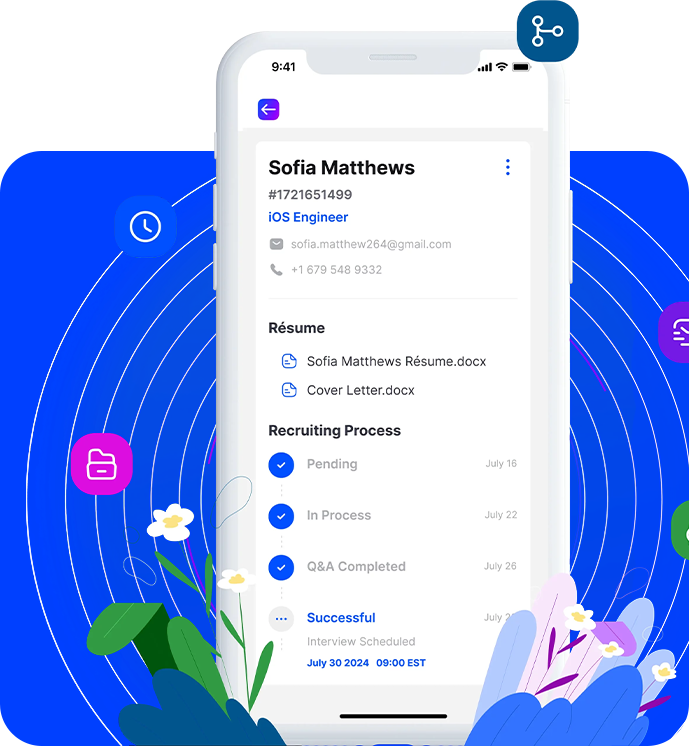
By 2025, the recruitment industry will undergo major changes driven by shifting workforce needs and demographics. Diversity, equity, and inclusion (DEI), effective leadership, and the use of AI in hiring will play crucial roles. Predictive analytics will help companies make better hiring decisions by focusing on context over traditional keyword matching. Flexible and adaptive job titles will improve the candidate experience and reduce application dropout rates.
AI will streamline repetitive tasks and enhance the hiring process, but human judgment will remain essential for building relationships and making informed decisions. Companies must prioritize DEI, strengthen workplace branding, and offer flexible work arrangements to attract and retain top talent. Small businesses can benefit from Professional Employer Organizations (PEOs) for HR support during these transitions.
The future of recruitment will require a balanced approach, combining technology and human insight to create inclusive, engaging workplaces. Businesses that adapt to these changes will thrive in an increasingly competitive job market.
Learn how insurance agencies can recruit better in 2026 by hiring faster, staying human, and improving results without sacrificing quality.

Recruiters should be clear about the roles they want to fill, the formats for job ads, and the factors they will use to choose the best candidates.