
Human Resources
How Can Insurance Agencies Recruit Better in 2026?
Learn how insurance agencies can recruit better in 2026 by hiring faster, staying human, and improving results without sacrificing quality.

Layoffs in the workplace have grown increasingly common as a result of the economic constraints that businesses are experiencing. Looking back at the events throughout 2024, these businesses want to reduce costs and maximize worker efficiency. Although there is a possibility that certain managers and executives may be inclined to follow the trend of rapid cost reductions through layoffs, decision-makers should reconsider permitting experienced human resources to leave the organization. The majority of the 350,000 layoffs that occurred in the oil and gas industry around the world in 2016 were brought on by fluctuations in output and prices (supply and demand) that were only temporary.
The fact that corporations generally outsource work to countries that have lower labor and tax costs is another aspect that contributes to international trade. Over the last ten years, several businesses have eliminated their call centers, thereby exporting work to nations in which the average hourly salary is under $2, in contrast to the over $10 that is paid in the United States. In countries with emerging markets that do not have enough labor safeguards, this outsourcing may result in working conditions that are below acceptable standards. To meet outsourced duties, there have been instances in which children and young teenagers have been employed at factories that have bad working conditions. Existing workers are also left wondering when their employment will be automated by technology or migrated to other markets owing to outsourcing to labor markets with reduced labor costs. Also, they are left wondering when their jobs will be performed by machines.
Employees who are terminated unfairly typically develop feelings of anger, uncertainty, and loss, which can ultimately lead to feelings of melancholy. When employees are terminated for reasons that are related to company economics, the prevention of bankruptcy, and general competitiveness, the term “laying off” is used to describe the firing of employees. To keep the firm profitable, the major objective of layoffs is to reduce the number of employees working for the organization.
The tech hiring landscape is changing rapidly due to layoffs and economic uncertainty. A recent study revealed an 86% increase in job hunting among tech talent since January 2020, reflecting concerns about job stability and a growing desire for better benefits like flexible scheduling, four-day workweeks, and professional advancement opportunities. With 61% of IT talent finding new roles on their own in 2024, tech talent is taking charge of the hiring process. Well-being incentives are also a significant differentiator for tech talent, with 76% of respondents looking up organizations before applying to learn about employee satisfaction and workload. Companies must invest in upskilling, as tech professionals with five to ten years of experience are more likely to apply for internal positions. In 2024, nearly two-thirds of IT leaders reported a skills shortage in their departments, and 95% said it was challenging to acquire qualified personnel. HR professionals must have clear hiring and retention strategies to prevent personnel issues from jeopardizing projects and priorities.
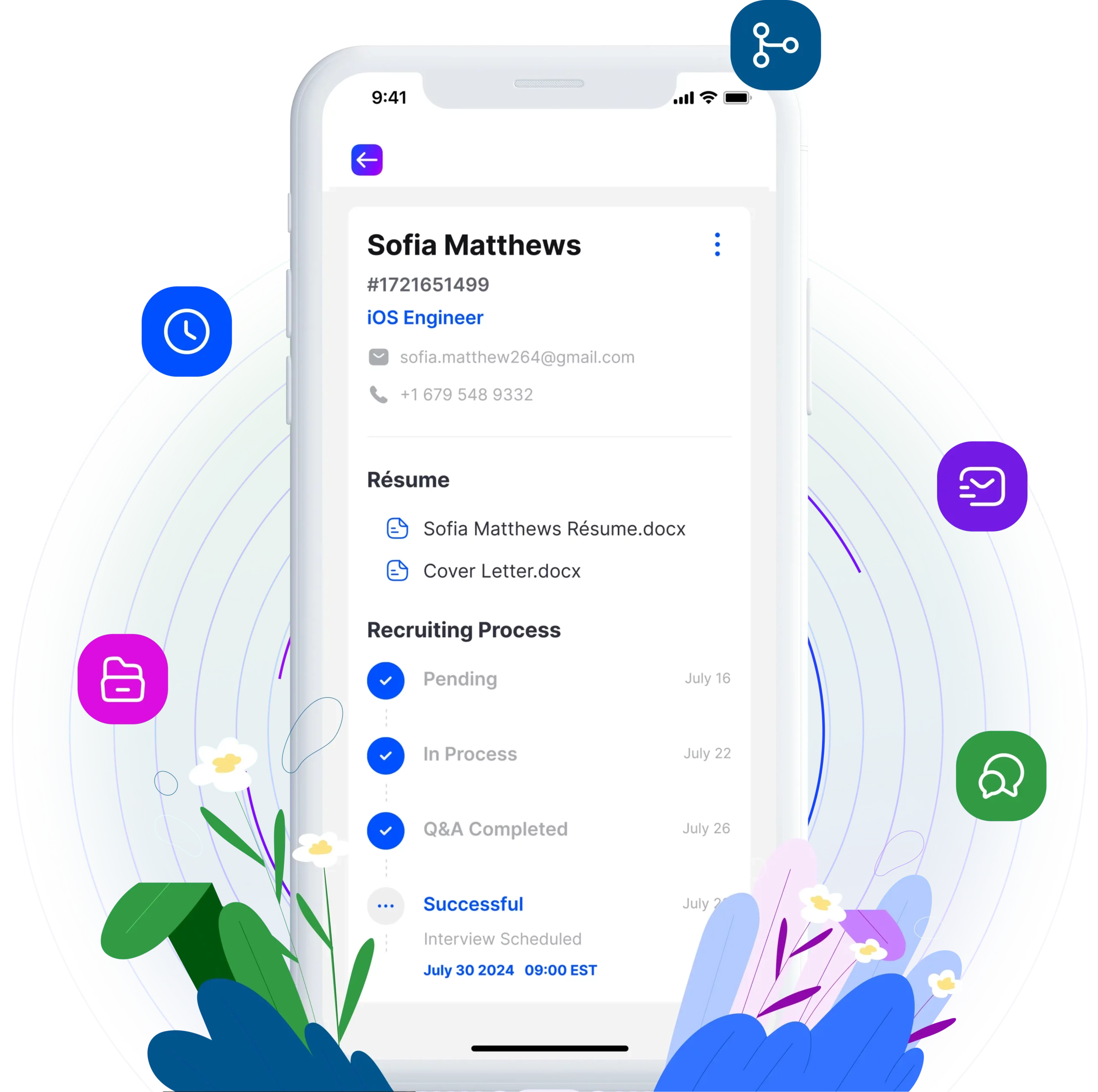
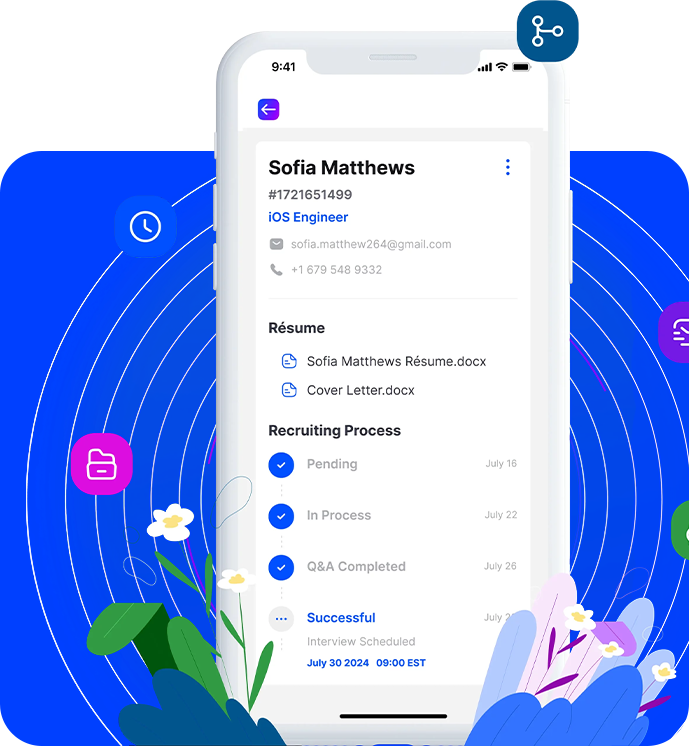
An Overview of the Average Interview Process
As artificial intelligence (AI) evolves, talent acquisition teams gain access to a growing array of tools to streamline recruitment. However, it is crucial for HR leaders to stay informed about advancements in AI alignment to ensure these tools are robust, ethical, and aligned with their organization’s values and goals.
Properly managed AI tools can foster diverse, equitable, and inclusive workplaces while significantly enhancing recruitment efficiency. Additionally, integrating AI-driven tools with a company’s culture is key to attracting top talent, boosting employee retention, and improving overall satisfaction. By aligning AI strategies with organizational values, HR leaders can create a cohesive and impactful recruitment approach.

To align with the organization’s goals and values, HR directors should stay up-to-date on the evolution of AI tools in recruitment.
AI can be an effective tool for identifying talent and potential candidates for available positions at businesses of all sizes when combined with human intuition, creativity, and innovation. This combination has the potential to revolutionize hiring practices in various businesses, especially the technology industry.
AI software can improve talent acquisition procedures in the following ways:
Advanced AI algorithms can process vast amounts of data to identify candidates with the experience, skills, and qualifications that match job requirements. These algorithms proactively discover suitable applicants based on their attributes, making them a vital asset in today’s competitive job market.
AI-powered talent acquisition tools can automate repetitive tasks, allowing recruiters to focus on strategic initiatives. For example, chatbots can handle common candidate inquiries, such as differences in payment structures for employees versus contractors. By reducing routine tasks, recruiters can improve efficiency and create a better candidate experience.
Combining AI tools with human expertise offers significant advantages. AI improves accuracy, speeds up hiring, and helps retain top talent by:
AI also supports better employee training and compliance. A hybrid hiring approach results in faster recruitment, higher retention, and an overall more effective hiring process.
Leverage personalized AI to streamline recruitment, enhance employee engagement, and create a culture of accountability and smiles along the way.
Amazon
Amazon has been building an automated method for analyzing applications for new hires. This system will use artificial intelligence to assess and determine which job applicants have the most potential to be successful in the position for which they are applying. This software automatically evaluates the resumes that job seekers have submitted, comparing them to data and patterns of behavior that Amazon employees are currently utilizing. After the artificial intelligence software has determined which individuals have the potential to be successful, the interviewees are then streamlined into top-level interviews for positions that range from medium to high-ranking inside the organization.
LinkedIn
For many years, LinkedIn has been utilizing artificial intelligence technologies to recruit job candidates. The online platform is now working toward a new generative artificial intelligence that will be even more thoroughly integrated into the site’s functionality. This will assist both potential job candidates and recruiters find better matches with higher frequency. Recruiters can delegate activities such as writing job descriptions, sorting through general applicants, and reviewing resumes to this generative artificial intelligence software, which will function as a dynamic aid to recruiters.

Good employee referral systems can provide rewards for referrals, expedite the recruiting process, and produce brand ambassadors. These incentives can be reasonably priced and represent a small portion of the program’s operating costs. Organizations must get management approval, provide a range of incentives, publicize the program publicly, compensate employees who recommend others, and incorporate the program into the company culture before putting these initiatives into action.
A successful employee referral program can generate brand ambassadors, expedite the hiring process, and offer an affordable alternative. Organizations should get management clearance before implementing these programs, provide a range of incentives, disclose them publicly, compensate employees who recommend others, and incorporate the program within the company’s established culture.
Management’s approval is crucial to launching an employee referral program. Leadership must recognize the program’s value, actively promote participation among staff, allocate necessary resources, and set clear hiring objectives. Cost considerations should be factored in to ensure financial feasibility during implementation.
An online referral platform, an easy web form (for example, Google Forms), or a dedicated resume mailbox are all examples of tools that are advised for use to ease the recommendation process. All of these tools are easily accessible. You should make a template for an email to accomplish the goals of encouraging employees to propose prospects and providing regular alerts about new employment vacancies.
Define specific, quantifiable targets for the program, such as raising the number of qualified candidates by forty-five percent, decreasing the amount of time it takes to hire new employees by ten days, and reducing employee turnover by fifty percent in the first quarter on average.
When it comes to rewarding employee referrals, it is important to provide a variety of financial and non-financial incentives. Some examples of these rewards include paid vacation days, personal days, enjoyable presents, or donations to a charity of the employee’s choosing. Take into consideration the possibility of running referral contests, recognizing top referrers, and personalizing prizes according to the preferences and location of employees.
To achieve visibility, you should promote it through the internal company networks, display information about it in communal locations, and incorporate it into the process of onboarding new employees. It is important to provide a comprehensive set of instructions for sending referrals, and it is also important to highlight the attractive perks that are available.
The employment landscape is constantly evolving, driven by economic challenges and technological advancements. While layoffs are often seen as a necessary evil for businesses striving to remain competitive, they can have significant emotional and social impacts on employees. The rise of technology and outsourcing has added complexity to the labor market, leaving many workers uncertain about their job security.
As companies navigate these challenges, innovative solutions are reshaping the hiring process. By leveraging artificial intelligence, businesses can streamline recruitment, enhance candidate screening, and improve job matching. This not only accelerates the hiring process but also expands the talent pool, providing companies with more accurate and efficient hiring capabilities.
Ultimately, integrating technology into recruitment, combined with thoughtful approaches to employee well-being and layoffs, can lead to a stronger, more resilient workforce. As businesses continue to adapt, prioritizing ethical practices and fostering a healthy organizational culture will be key to ensuring long-term success for both companies and their employees. Technology has the potential to enhance human resources practices, paving the way for a more inclusive and effective hiring process.
Learn how insurance agencies can recruit better in 2026 by hiring faster, staying human, and improving results without sacrificing quality.

Recruiters should be clear about the roles they want to fill, the formats for job ads, and the factors they will use to choose the best candidates.