
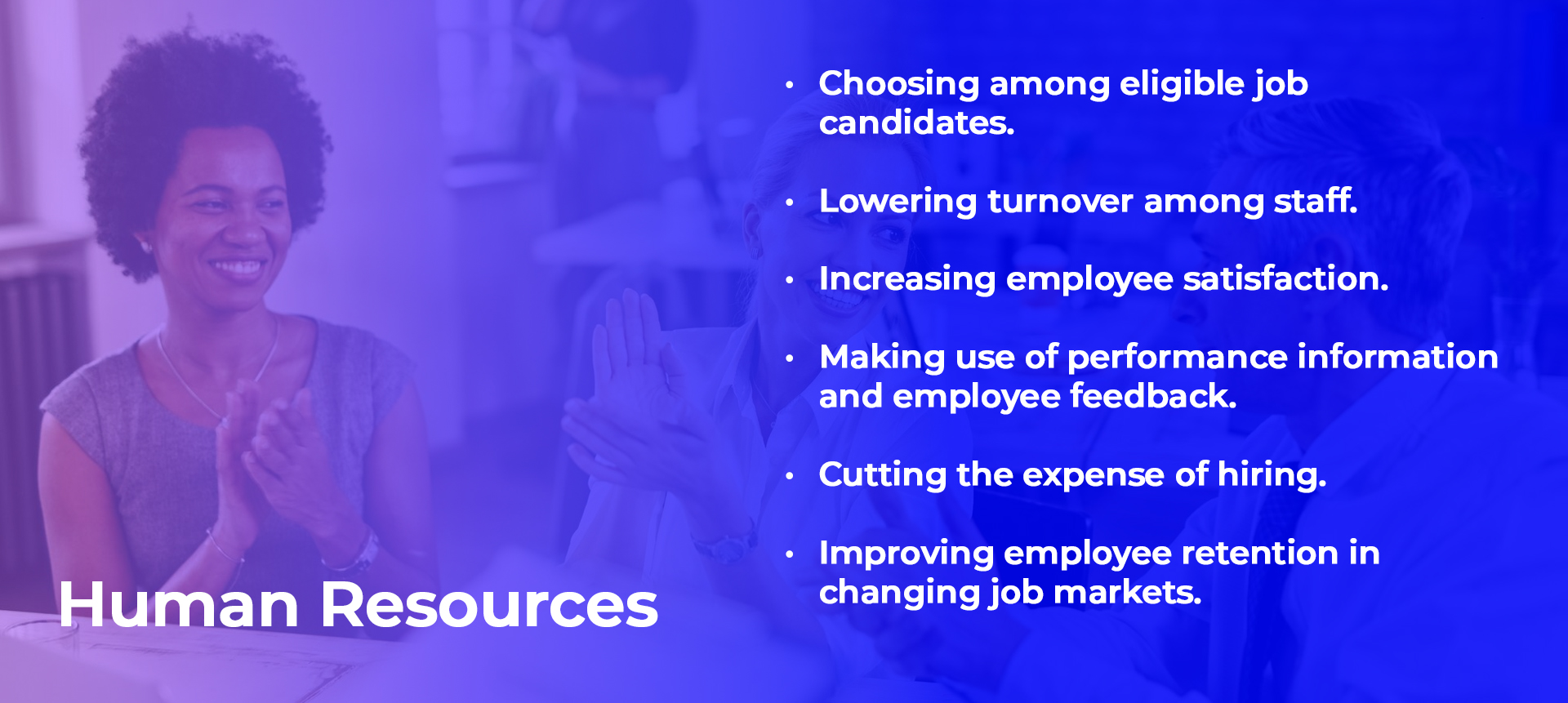


Human Resources
How Can Insurance Agencies Recruit Better in 2026?
Learn how insurance agencies can recruit better in 2026 by hiring faster, staying human, and improving results without sacrificing quality.

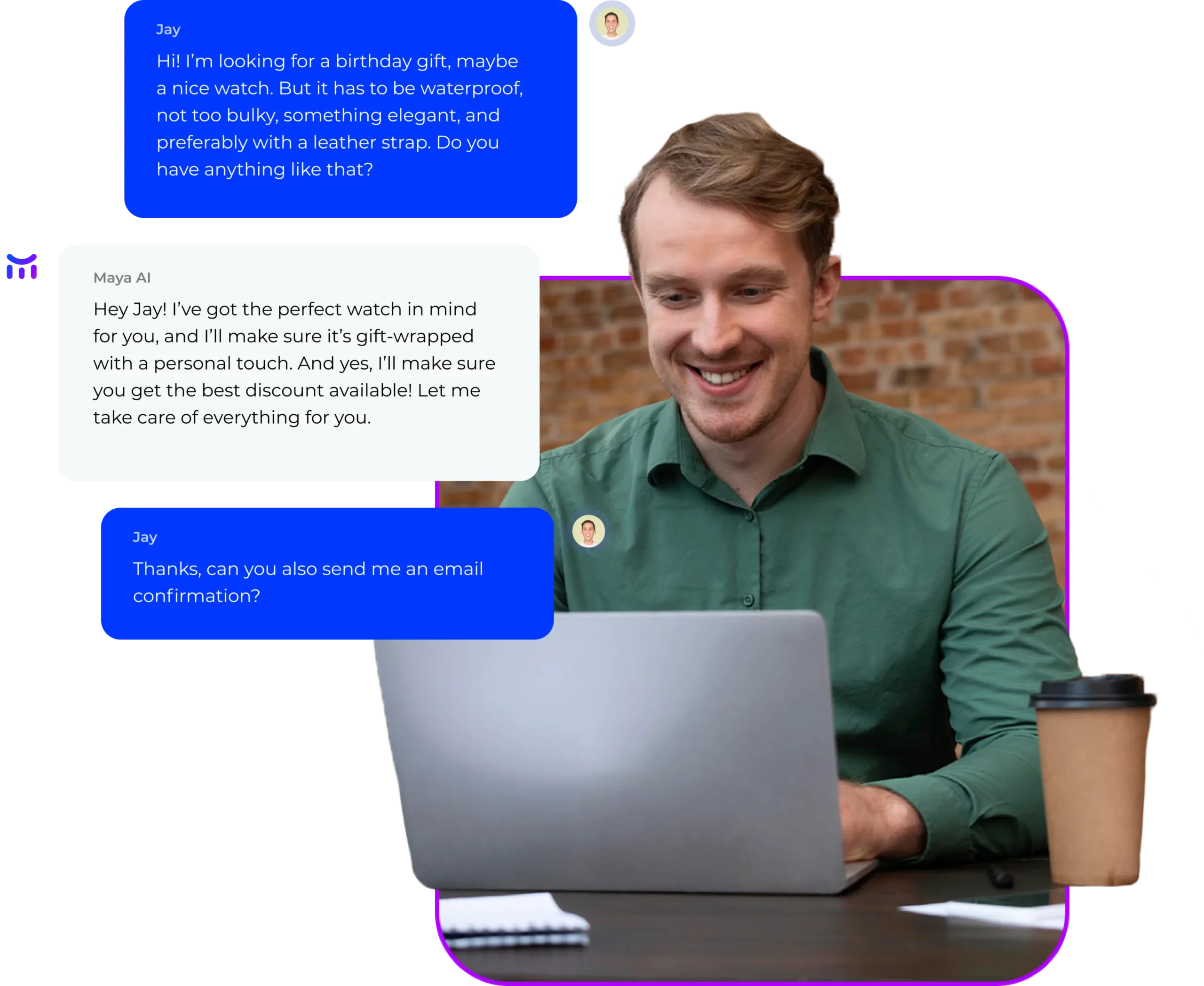
Effective customer communication now depends heavily on personalized interactions in the quickly changing digital landscape. Delivering customized experiences is becoming more and more important as a result of consumers’ expectations that companies will comprehend their individual preferences, behaviors, and demands. Now, let’s examine the most recent developments in personalized customer interactions, looking at the tactics, technologies, and customer expectations that are influencing this ever-evolving change.
The practice of personalization dates back to when advertisers utilized demographic information to target particular audience segments with messages. Data-driven customization techniques were developed as a result of the growth of e-commerce and online advertising in the 1990s and 2000s. These approaches used algorithms to evaluate user interactions and provide tailored experiences. The social media and mobile device boom of the 2000s–2010s accelerated personalization attempts by utilizing location data, user-generated content, and social media profiles.
Companies were able to incorporate customization across many channels thanks to the emergence of specialized personalization platforms and technologies. These days, data analytics, machine learning, and artificial intelligence are the main forces behind personalization. These technologies are used by businesses to evaluate client data, spot trends, and provide customized experiences instantly.

First-generation personalization relied on pre-defined segments or static business rules to deliver uniform offers, messages, and creatives across all channels. This approach had limitations, including its failure to consider real-time data and analytics. Next-generation personalization, however, operates at the individual level, leveraging automated processes to compile data, select messages, and refine choices over time.
Second-generation personalization focuses on customizing the customer experience to meet individual needs and preferences. Research indicates that 71% of consumers seek personalized service, and 76% express frustration when they don’t receive it. Transitioning to top-quartile personalization practices may yield significant value for US organizations. Providing tailored experiences across all channels is essential for enhancing customer satisfaction, loyalty, and lifetime value. Advanced analytics, continuous feedback loops, and contextual information represent the future directions of personalization.
Current Trends:
Data-driven personalization leverages customer data to deliver individualized experiences, driving customer satisfaction, engagement, and loyalty. Real-time data processing enables businesses to swiftly respond to generated data, facilitating rapid IoT applications, stock market trading, fraud detection, and monitoring. Adhering to guidelines such as automated testing, real-time monitoring, minimal latency, continuous data flow, strong security measures, and data governance ensures system efficiency, security, and reliability.
Behavioral analytics involves gathering and analyzing data on customer behavior, encompassing product usage patterns, internet activity, and browsing and purchasing trends. This approach finds applications in various sectors, including internet gaming, e-commerce, the Internet of Things, and web and mobile apps. Its benefits include trend prediction, identifying discrepancies between product listings and search queries, and detecting compromised data.
For instance, a leading e-commerce company utilizes behavioral analytics to personalize product recommendations for individual customers based on their browsing and purchase history, resulting in increased customer satisfaction and higher conversion rates. The advantages of behavioral analytics include enhanced customer satisfaction, higher conversion and retention rates, effective sales and marketing strategies, and a deeper understanding of target market demands.
Artificial Intelligence and machine learning (AI & ML) have transformed the landscape of personalization in modern marketing. By analyzing user data such as browsing patterns, social media interactions, and demographics, AI evaluates user requirements and presents customized content. This revolutionizes customization, increasing client satisfaction and engagement through automated marketing efforts.
AI-driven personalization techniques require companies to set specific objectives such as raising sales, improving client happiness, or lowering attrition. Effective personalization relies on high-quality methods for gathering and retaining consumer data. Continuous assessment and improvement based on user feedback are crucial for success.
For example, chatbots and virtual assistants powered by AI offer personalized customer service experiences, capable of understanding and responding to individual queries. For example, Netflix uses predictive analytics to recommend personalized content to its users based on their viewing history.
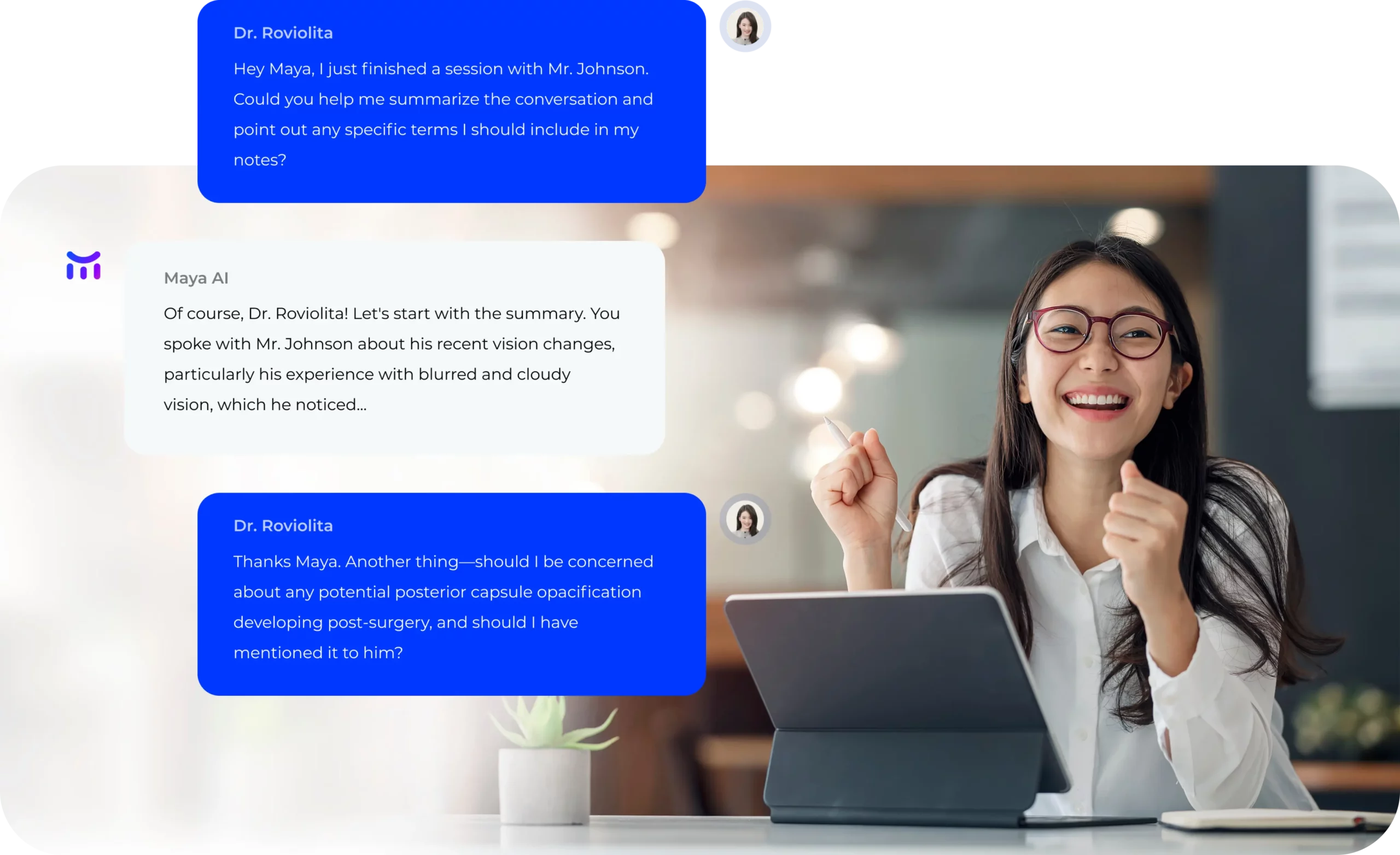
In today’s competitive market, companies must incorporate personalization into their marketing tactics to stand out and provide tailored experiences to customers. According to research, 54% of participants consider precise information crucial for successful customization. Customization can increase return on investment (ROI) by allowing businesses to focus on efficient marketing campaigns and reduce costs. Businesses that are growing quickly produce 40% more revenue from personalization than slower-growing businesses, highlighting the need for consistency across channels to establish trust and confidence with clients.
To prevent a fragmented customer experience, a comprehensive strategy backed by an organizational structure, culture, and technology and data strategy is necessary. Personalization is essential for organizations to match consumer expectations, create revenue growth, and stay ahead of the competition in today’s cutthroat market.
Omnichannel Personalization involves offering individualized customer experiences across multiple touchpoints to ensure relevance and consistency in brand engagement. Key strategies include integrating data from various touchpoints to create a single view of the customer, ensuring personalized messages and offers are consistent across all platforms, and using geolocation data to deliver personalized experiences based on the customer’s physical location.
Further developments in artificial intelligence, more seamless omnichannel experiences, and a stronger focus on ethical personalization are probably in store for the future of tailored consumer interactions. Customer expectations will change along with technology, forcing firms to continuously innovate.
Buyer interactions are no longer a luxury but a necessity for brands aiming to stay competitive in today’s market. By leveraging data, AI, and omnichannel strategies, companies can create meaningful, personalized experiences that drive customer loyalty and business growth. However, as personalization becomes more advanced, ethical considerations must remain a priority to maintain customer trust and ensure long-term success.
Learn how insurance agencies can recruit better in 2026 by hiring faster, staying human, and improving results without sacrificing quality.

Recruiters should be clear about the roles they want to fill, the formats for job ads, and the factors they will use to choose the best candidates.